

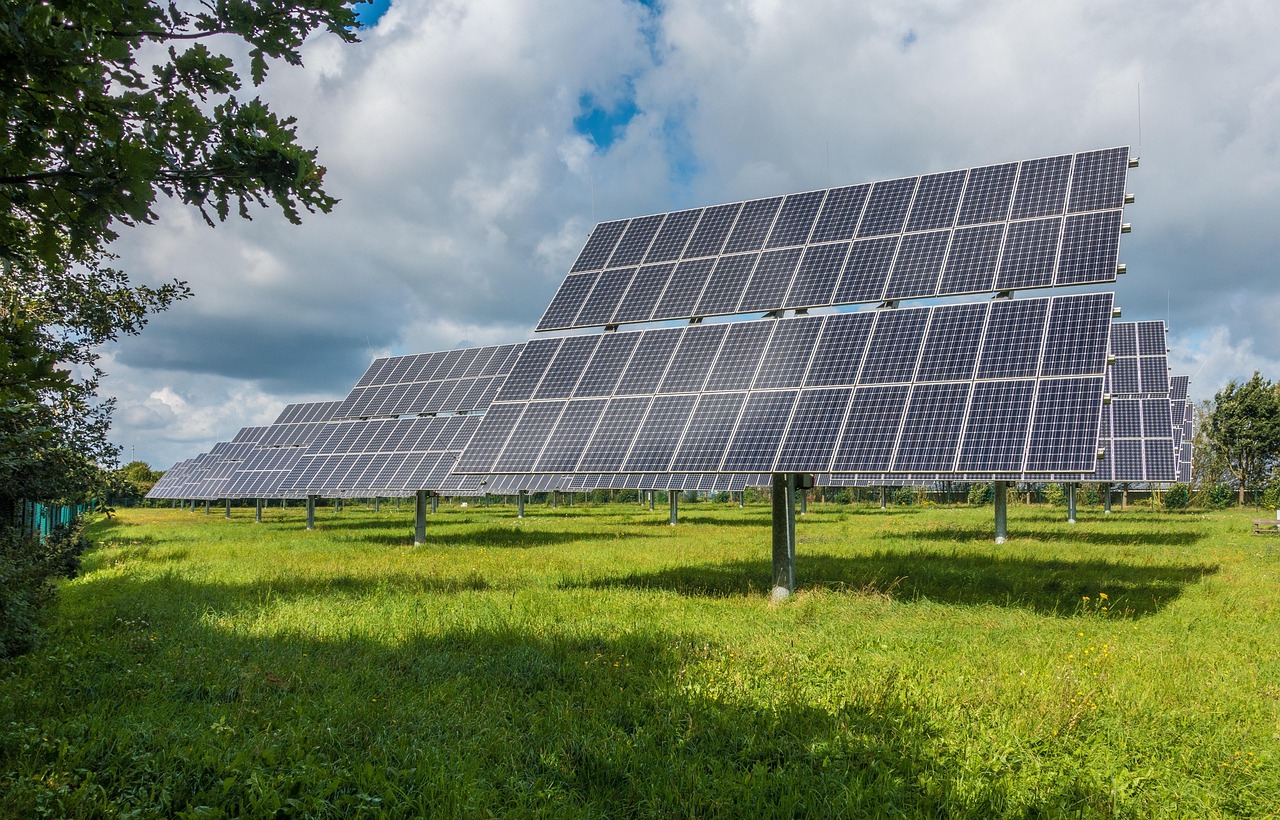
Solar Tracker Damper Manufacturers | Wind Vibration Damping Solutionsfor Solar Tracking Systems
Professional damping solutions to enhance solar tracker stability, reduce wind-induced vibration, and maximize energy efficiency in harsh outdoor environments
Professional Solar Damper Solutions
Specialized damping technology designed for solar tracking systems to ensure optimal performance and longevity
What is a Solar Damper?
Solar Dampers are specialized hydraulic damping devices designed specifically for solar tracking systems. They provide controlled resistance to suppress vibrations and oscillations caused by wind forces, ensuring stable and precise positioning of solar panels.
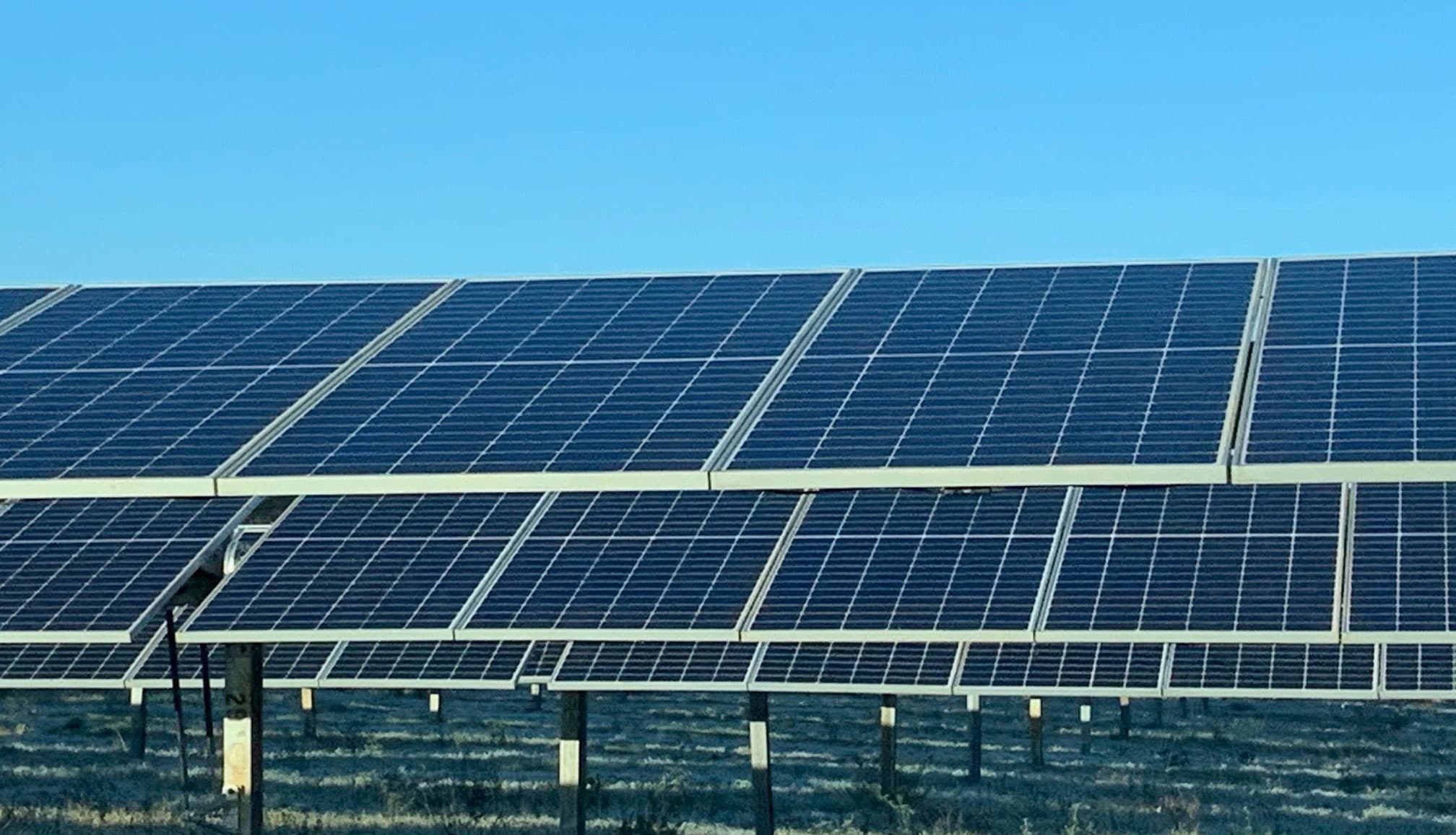
Key Functions
Fixed Panel Angle
Buffer External Impact
Drive-Lock & Stow Stability
Enhanced Stability
Key Performance Indicators
Wind Load Resistance
Snow Load Capacity
Temperature Range
Long Lifespan
Solar Damper Applications
Versatile solutions for various solar tracking system configurations
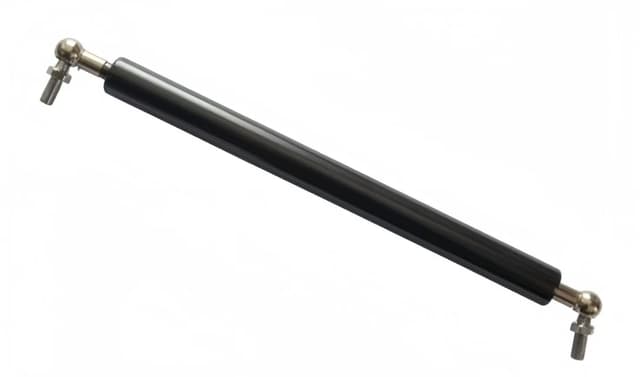
Single-Axis Trackers
Optimal damping for single-axis solar tracking systems, providing stability during rotation and wind resistance. 🌟 Horizontal single-axis trackers 🌟 Tilted single-axis trackers 🌟 Vertical single-axis trackers 🌟 Ground-mounted power stations, especially single-axis or dual-axis solar tracking systems.
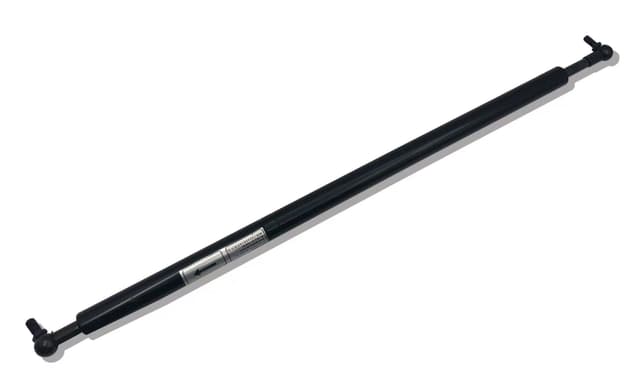
Dual-Axis Trackers
Advanced damping solutions for dual-axis tracking systems requiring precise control in both azimuth and elevation. 🌟 Tip-tilt dual-axis trackers 🌟 Azimuth-elevation trackers 🌟 Polar mount trackers 🌟 Rooftop PV systems (primarily fixed mounts, but some use hydraulic dampers for precise angle stabilization and movement control).
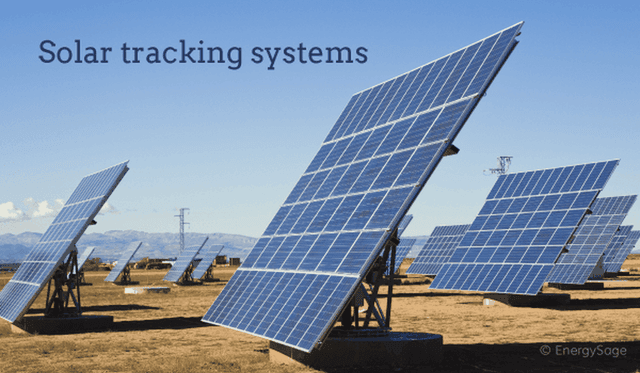
Large-Scale Solar Farms & Special Scenarios
Robust damping solutions for utility-scale solar installations with high reliability and performance requirements, and for specialized applications. 🌟 Utility-scale ground-mount systems 🌟 Desert and harsh environment installations 🌟 Coastal and high-wind areas 🌟 Elevated parking lots, agricultural-photovoltaic complementary projects, etc., where tracking brackets are integrated with heavy-duty solar dampers to mitigate wind-induced tensional vibration, prevent aeroelastic fluttering, and safeguard the automated drive system.
Discover Our Manufacturing Capabilities
DK Gas Spring operates specialized independent production lines for diverse industrial applications.
Why Choose DK's Solar Dampers
Advanced engineering and proven performance for solar tracking applications
20+ Years of R&D in Industrial Gas Springs & Dampers. ISO 9001:2015 Certified Manufacturing Facility in Ningbo, China.
Advanced Technology
Proprietary hydraulic damping technology specifically engineered for solar tracking systems with precise vibration control.
Quality Excellence
ISO 9001:2015 certified manufacturing processes ensuring consistent quality and reliability in every product.
Custom Solutions
Tailored damping solutions designed to meet specific requirements of your solar tracking system configuration.
Global Support
Worldwide technical support, installation guidance, and comprehensive after-sales service for all our products.
Proven Durability
Extensive testing in harsh environments including salt spray, extreme temperatures, and high-cycle fatigue testing.
Low Maintenance
Maintenance-free design with sealed construction and high-quality materials for long-term reliable operation.
DK Group Engineered Hardware Matrix
Beyond solar tracking infrastructure, our precision manufacturing facilities output specialized Marine-Grade Stainless Gas Springs and Automotive ISO/TS16949 Lift Supports via dedicated independent production lines.
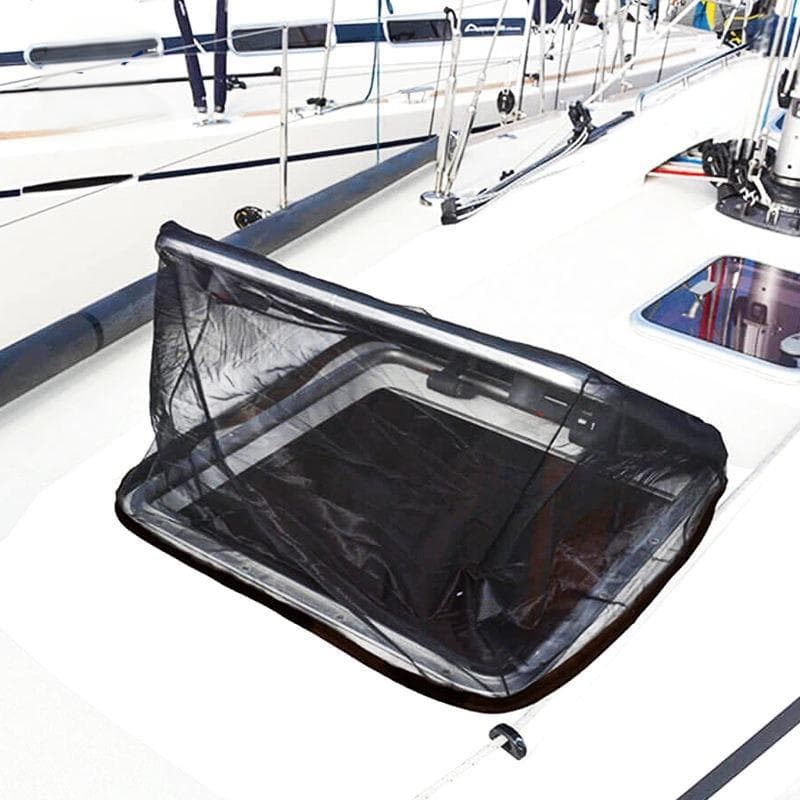
Marine Gas Springs
Corrosion-resistant gas springs designed for harsh marine environments.
Learn More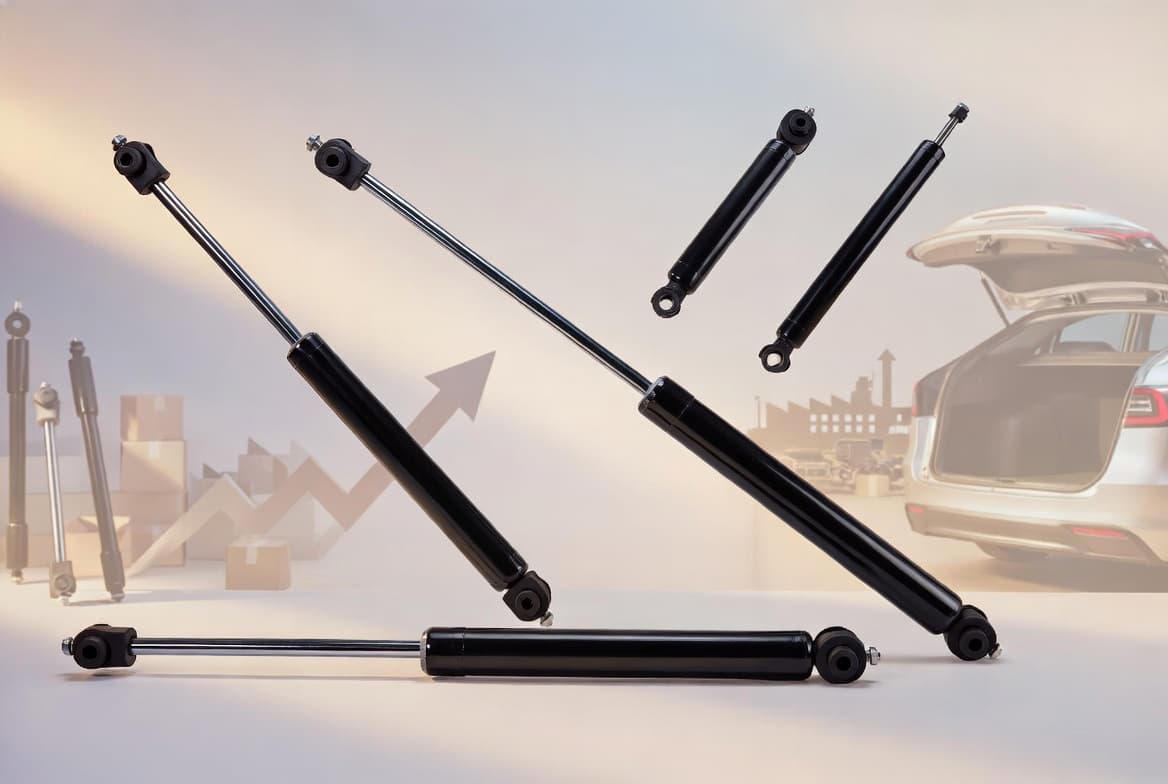
Automotive Aftermarket
High-quality, cost-effective replacement gas springs for vehicles.
Learn MoreTechnical Specifications
View detailed specifications of our solar damper solution
Dimensions
Load Capacity
Performance
Engineering Resources & Compliance
3D CAD Models
Download 3D CAD Models (.STEP / .DWG) for Tracker Integration
SGS NSS Test Report
All DK solar dampers undergo rigorous 96-hour Neutral Salt Spray (NSS) testing compliant with GB/T 10125-2012. Click to view anti-corrosion compliance data for coastal/desert PV plants.
Salt Spray Test Report (NSS)
Key Test Parameters
Test Method
Neutral Salt Spray (NSS)
Standard
GB/T 10125-2012
Exposure Time
96 Hours
Temperature
35±2 °C
NaCl Concentration
50±5 g/L
Chamber Environment
- Chamber Temperature35±2 °C
- Saturator Temperature47±2 °C
- Salt Fog Collection Rate1.0 - 2.0 ml/(80cm²·h)
- pH Value of Collected Solution6.5 - 7.2
Sample Preparation
- Sample Angle15° - 25° from vertical
- Cleaning Method Before TestWiped with ethanol
- Cleaning Method After TestRinsed in gently running water (<35°C), dried
- Evaluation StandardGB/T 6461-2002
Pass / Excellent
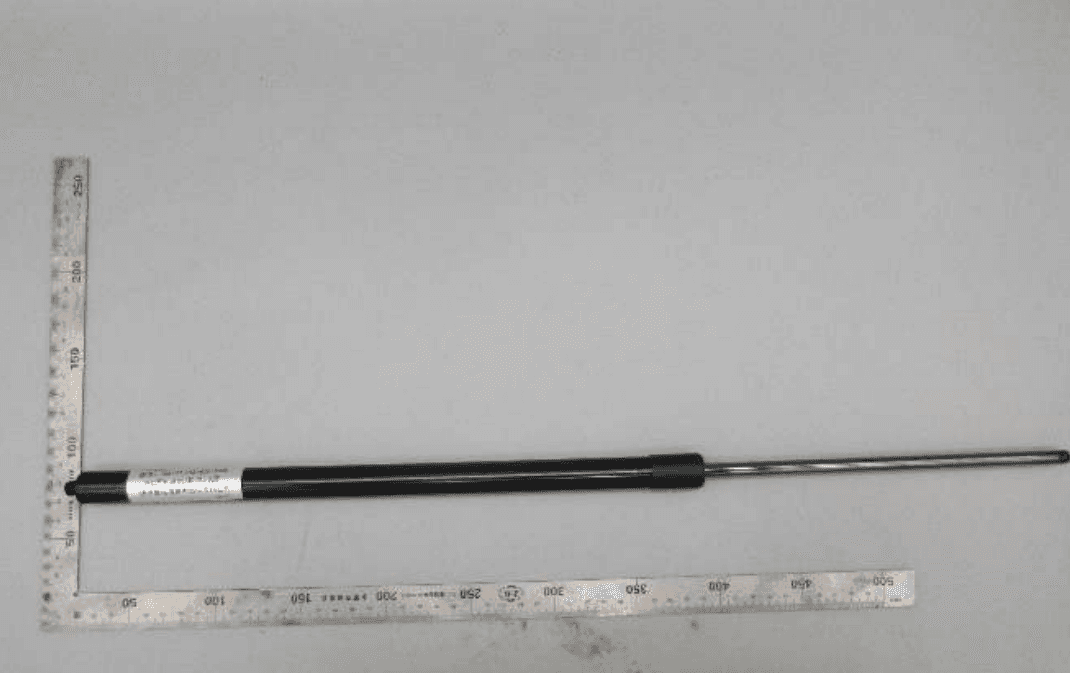
After 96 hours of Neutral Salt Spray exposure, the tested gas spring samples showed no visible red rust on the main cylinder or piston rod. Minor blistering observed on the end fittings (non-critical area). Protection Rating: 9/10.
Engineering Note
Standard configuration delivers 96-144 Hours NSS. Custom multi-layer QPQ and premium coatings are available to support up to 244+ Hours Salt Spray for heavy-duty manufacturing, marine environments, or industrial machinery applications.
Compliance Declaration
Minor surface blistering on standard zinc-plated non-working end-fittings is within acceptable engineering limits for this configuration and does not affect the pressure containment or mechanical integrity of the cylinder.
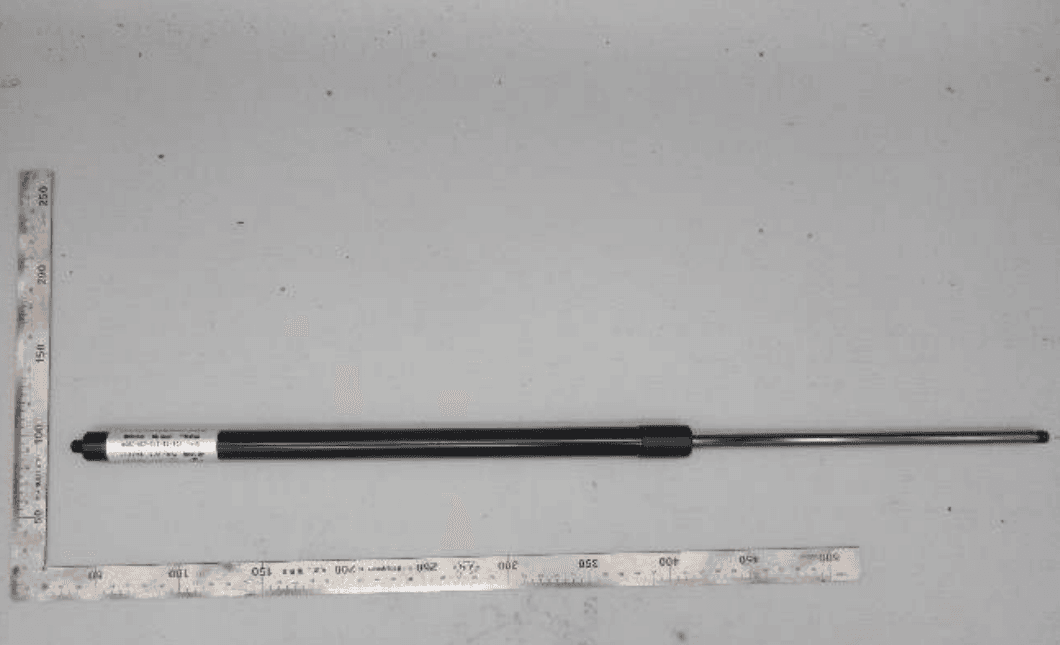
Sample Before Test (0h)
Sample After Test (96h)
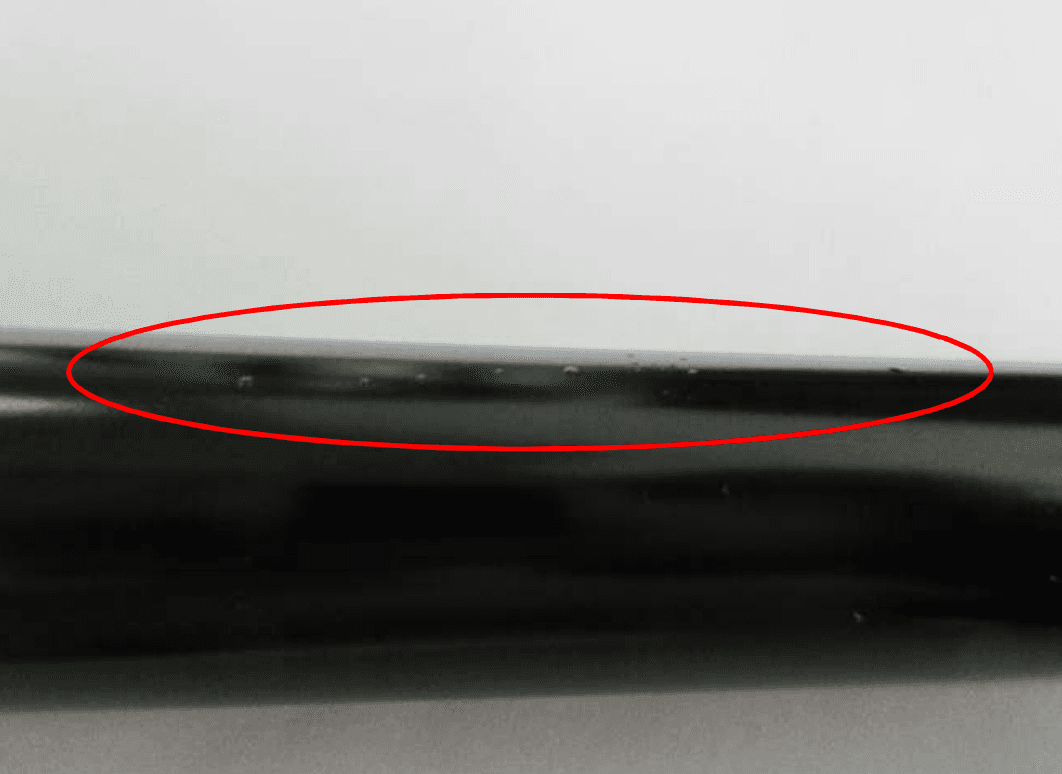
Close-up: Piston Rod Surface (96h)
SGS RoHS Test Report
Substance Analysis Results
| Substance | Limit | MDL | Result | Status |
|---|---|---|---|---|
| Cadmium (Cd) | 100 mg/kg | 2 mg/kg | ND | Passed |
| Lead (Pb) | 1000 mg/kg | 2 mg/kg | 17 mg/kg | Passed |
| Mercury (Hg) | 1000 mg/kg | 2 mg/kg | ND | Passed |
| Hexavalent Chromium (Cr(VI)) | 1000 mg/kg | 8 mg/kg | ND | Passed |
| Sum of PBBs | 1000 mg/kg | 5 mg/kg | ND | Passed |
| Sum of PBDEs | 1000 mg/kg | 5 mg/kg | ND | Passed |
* ND = Not Detected (lower than MDL). MDL = Method Detection Limit.
Tested Sample
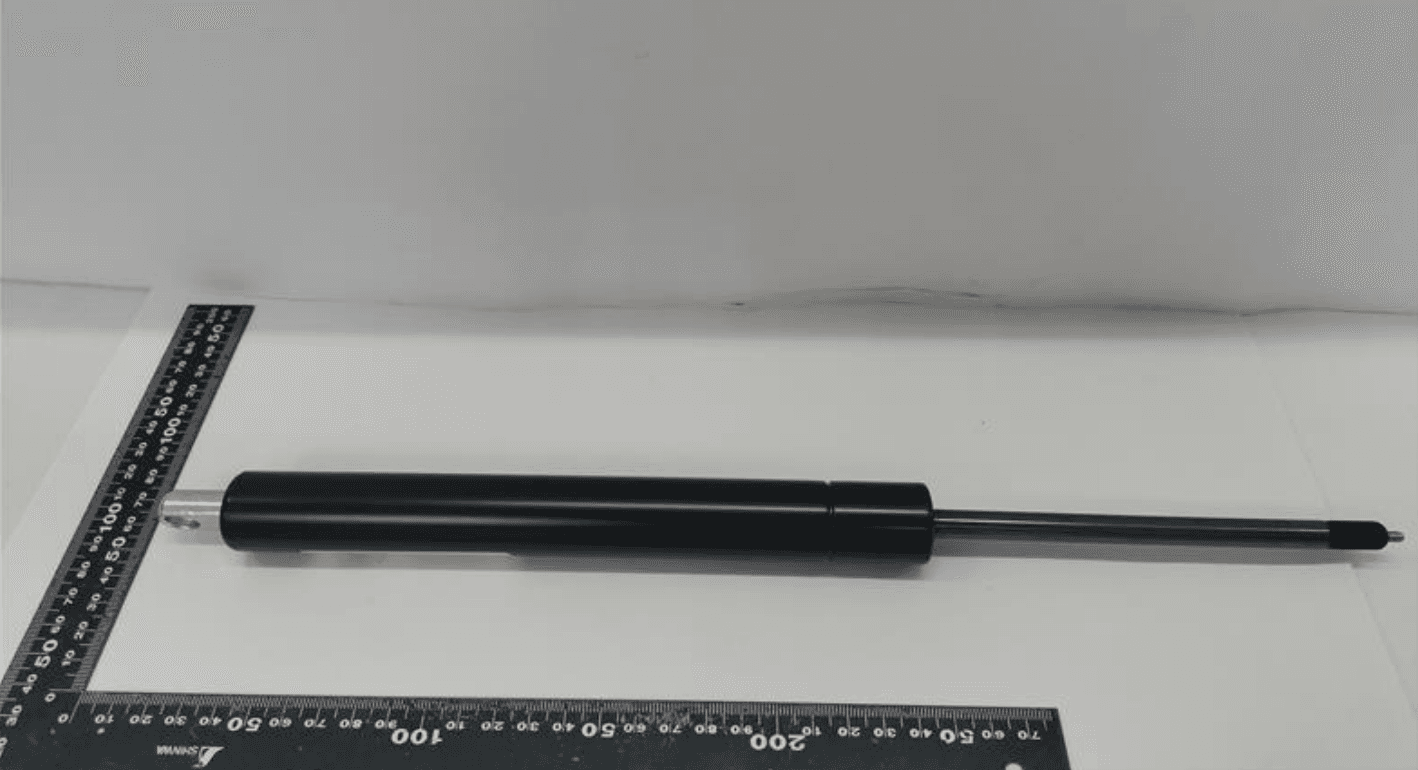
Official Test Sample ID: SHA21-033925.001
Reference Standards
- •IEC 62321-5:2013
- •IEC 62321-7-2:2017
- •IEC 62321-4:2013+AMD1:2017
- •IEC 62321-6:2015
Analytical Instruments
- •ICP-OES (Inductively Coupled Plasma Optical Emission Spectrometry)
- •AAS (Atomic Absorption Spectrometry)
- •UV-Vis (Ultraviolet-Visible Spectroscopy)
- •GC-MS (Gas Chromatography-Mass Spectrometry)
Rigorous Mechanical Fatigue & Lifecycle Testing
The core pain point for B2B buyers is batch failure caused by mechanical fatigue and the resulting high after-sales repair costs. Our product has passed the official SGS full-stroke reciprocating cycle test.
Methodology
An appropriate force is applied to the piston rod to move it from the fully extended position to the fully compressed position. The force is then removed, allowing the rod to return to the fully extended position. This cycle is repeated 50,000 times.
Requirement
After the test, the sample shall not exhibit any damage, jamming, or functional loss.
Final Status
PASSED — No damage, no functional loss
SGS Tested Sample Record (Sample ID: SHA21-033925.001)
Gas spring fatigue test live video
- 1. The statement of conformity is based on a decision rule of non-binary decision with a guard band (guard band length parameter is 0).
- 2. This report is the official original English report (SHHL2103007983FT) issued by SGS, possessing full international traceability and validity.
Frequently Asked Questions
Common questions about solar dampers and their applications

Ryan Chen
Senior Project Manager & Industrial Hardware Specialist
“Dedicated to helping global distributors eliminate after-sales risks through precision-calibrated hardware solutions.”
Contact Us
We are ready to provide you with professional solar damper solutions
Company HQ
Ningbo, Zhejiang, China
Office Address
Building A, R&D Park, High-Tech Zone, Ningbo, Zhejiang, China