

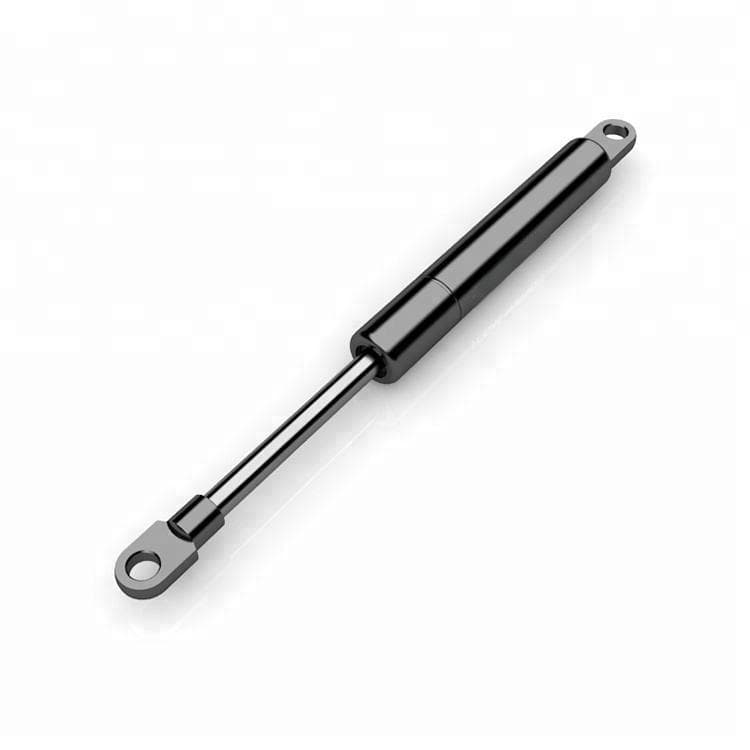
Top 5 FAQs When Customizing Gas Springs for Industrial Use
Top 5 FAQs When Customizing Gas Springs for Industrial Use
Target Audience: B2B Buyers, R&D teams
SEO Keywords: custom gas spring, lockable gas spring with damper, gas strut stroke adjustment
Customizing gas springs for industrial or mechanical applications requires precision. A miscalculation in force, stroke, or damping can lead to equipment failure or a poor user experience. At DK Gas Spring, we work with engineers globally to design the perfect motion control solutions.
Here are the top 5 most frequently asked questions we receive when customizing industrial gas springs.
1. Can I get extra damping at the beginning and end of the stroke?
Yes! Damping can be customized to ensure a smooth start and a soft stop. However, achieving the perfect damping curve often requires real-world testing. The first-time sample provides a baseline. We highly recommend testing the sample in your actual application and providing feedback so we can fine-tune the hydraulic fluid levels for optimal performance. In the other way, you could communicate with our engineer about how many mm of damping stroke you neeed. The standard stroke is 3cm, it can be customized to be longer or shorter.
2. How should the gas spring be installed to ensure proper damping?
Installation orientation is critical. If you require extension-end damping (where the rod slows down smoothly before reaching full extension), the gas spring must be installed with the piston rod facing downward. This ensures the oil sits at the bottom of the cylinder, providing the necessary hydraulic resistance at the end of the stroke. If have to keep the rod mounting up, you can communicate with our engineer in advance, then we can offer proper structure.
3. Can the 1 cm unlock space on a lockable gas spring be reduced?
For lockable gas springs, the standard unlock stroke requires about 1 cm of travel. Because this is dictated by the internal mechanical valve structure, this unlock space is fixed and cannot be significantly reduced or altered.
4. What are the maximum thread sizes for the end fittings?
Thread sizes depend on the rod and tube diameter. Generally:
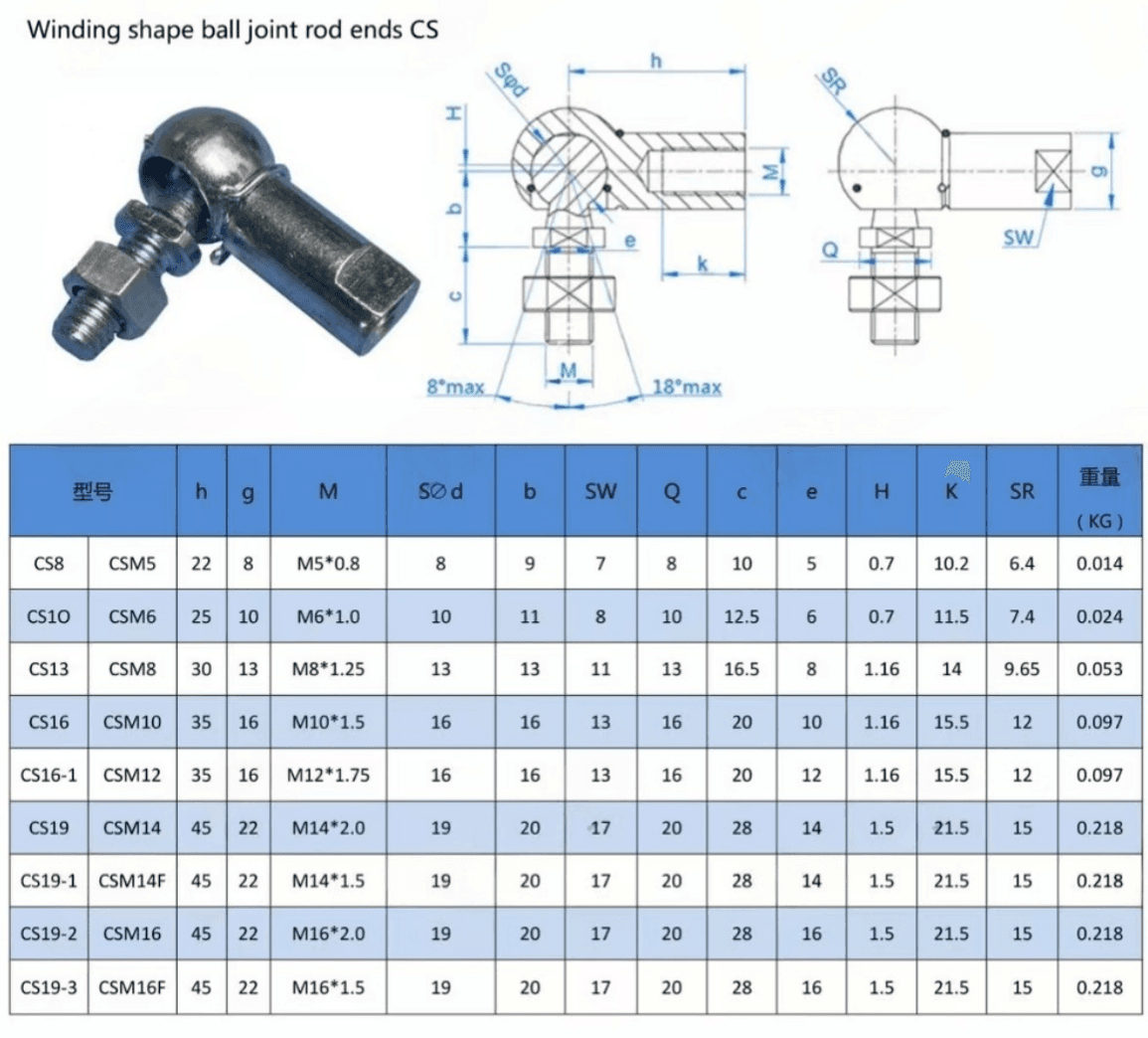
- For the piston rod, we typically apply M8 to M10 screws.
- For the cylinder tube, M7 threads are standard.
- Note: If your application requires a force greater than 400N, we strongly advise against using M6 threads or small plastic ball joints, as they may sheer under high loads. We recommend M16 metal ball joints for heavy-duty gas spring which force F1 is exceed 2500N.
5. Can I get a small batch of custom samples before committing to a bulk order?
Absolutely. We understand that prototyping is a vital part of the R&D process. We offer fast, small-batch sample production (typically within 3 to 7 days). Once the design is validated, we can easily scale up to high-volume manufacturing with ISO 9001 certified quality control.
Ready to test your design? Download our free Gas Spring Sizing & Selection Guide or [Contact Us for a Quick Sample Request]