

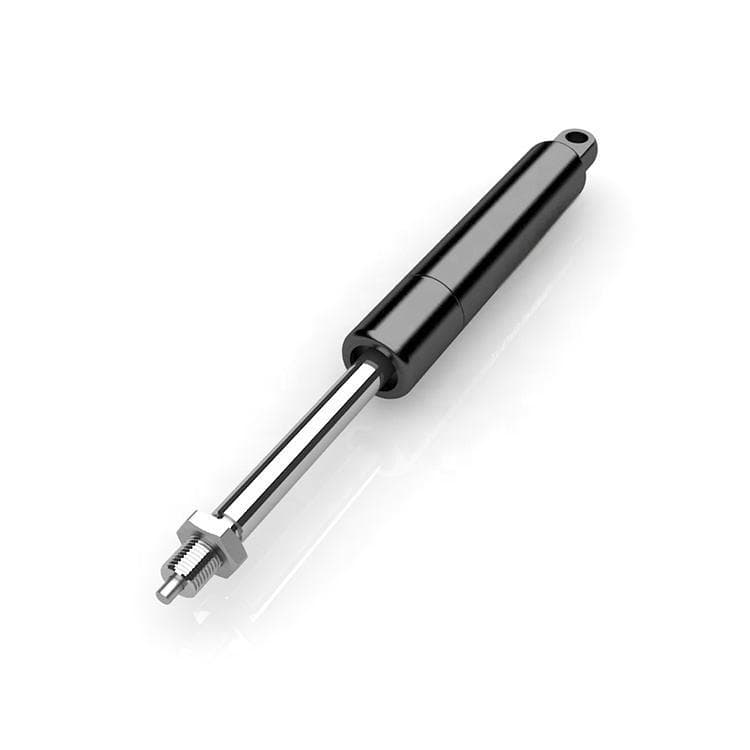
A Guide to Lockable Gas Springs: Rigid vs. Elastic Locking
A Guide to Lockable Gas Springs: Rigid vs. Elastic Locking
A standard gas spring has one main function: it pushes. But what if you need your gas spring to stop and hold at any position along its stroke? That's where the Lockable Gas Spring (also known as a locking gas strut) comes in.
This ingenious component is the secret behind adjustable office chairs, hospital beds, and airplane/bus seats. But not all lockable gas springs are the same. In this guide, we’ll explain the critical difference between Rigid Locking and Elastic Locking.
How Does a Lockable Gas Spring Work?
Unlike a standard gas spring where the gas flows freely between chambers, a lockable gas spring has a special valve inside the piston.
- Unlocked: When you press the release pin (usually via a lever or button), the valve opens, allowing gas/oil to flow. The spring can now extend or compress freely like a standard gas spring.
- Locked: When you release the pin, the valve closes instantly. The gas/oil is trapped in separate chambers, "locking" the piston rod in its current position.
The type of medium (gas or oil) on either side of the piston determines the "feel" of the lock.
Type 1: Rigid Locking (Rock-Solid Hold)
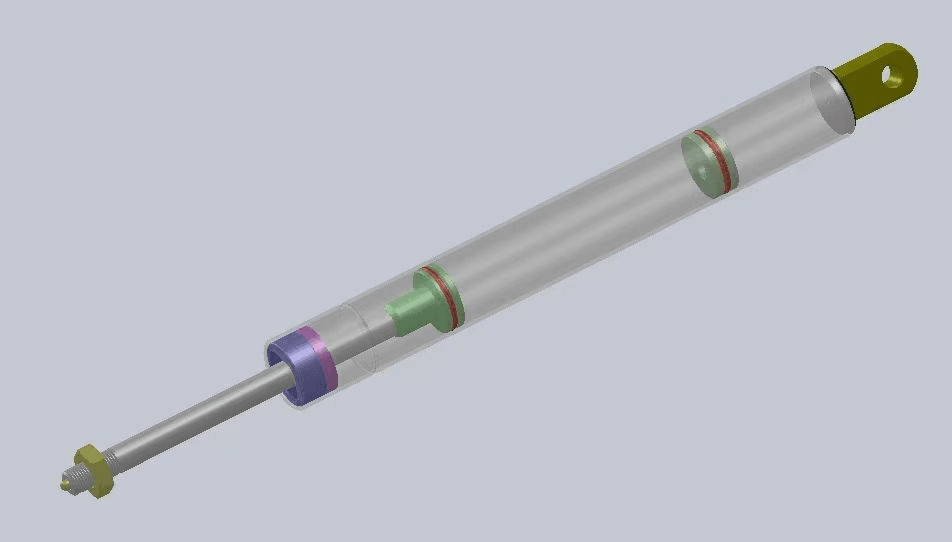 If you need the gas spring to feel like a solid steel bar when locked, you need Rigid Locking.
- Mechanism: The locking happens in a chamber filled with oil (which is incompressible). Because oil cannot be compressed, the piston cannot move even under heavy load.
- Direction:
- Rigid in Extension: The oil is on the side that prevents the rod from being pulled out.
- Rigid in Compression: The oil is on the side that prevents the rod from being pushed in.
- Best For:
- Medical Tables: You don't want the table to sink when a patient sits on it.
- Safety Guards: Ensuring a heavy cover stays open and doesn't accidentally close.
- Gym Equipment: Where stability is crucial.
Pros: Zero movement (bounce) when locked. Very high load capacity. Cons: Heavier and slightly more expensive due to oil volume.
Type 2: Elastic Locking (Cushioned Hold)
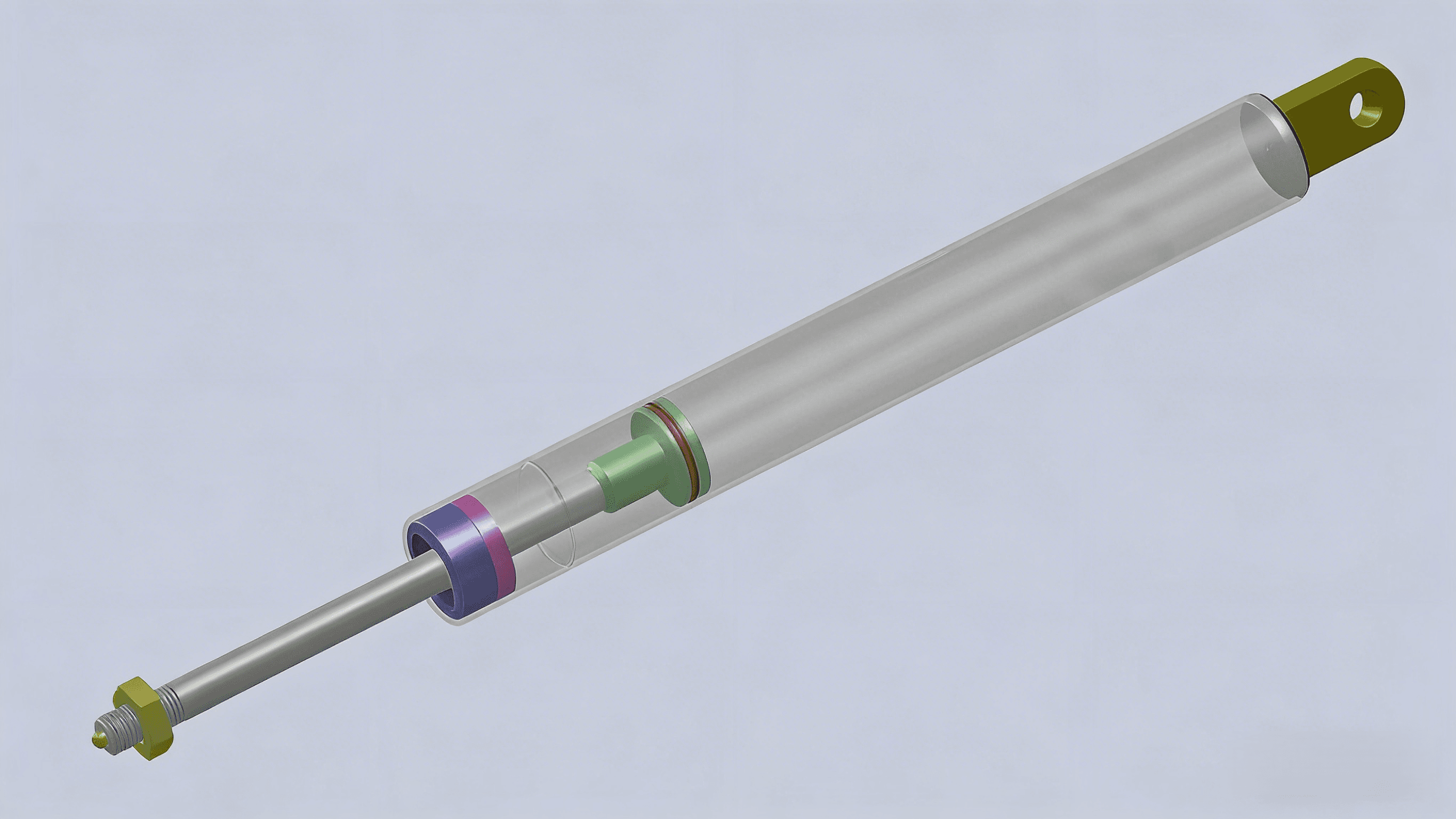 If you want a bit of "give" or suspension when locked, you need Elastic Locking.
- Mechanism: The locking happens in a chamber filled with nitrogen gas. Since gas is compressible, the piston can move slightly (bounce) under load, acting like a spring.
- Feel: It feels like a stiff suspension system. When you sit on a chair with elastic locking, it sinks a little bit, providing comfort.
- Best For:
- Office Chairs: Provides shock absorption when you sit down.
- Backrest Adjustment: Allows for comfortable micro-movements.
- Vehicle Seats: Reduces vibration and fatigue.
Pros: Comfortable, lighter weight. Cons: Will compress under heavy load (not suitable for precision holding).
Summary: Which One Should You Choose?
| Application Requirement | Recommended Type | Why? |
|---|---|---|
| "I need it to stay perfectly still, no matter the weight." | Rigid Locking | Oil prevents any movement. Safe for heavy loads. |
| "I want it to be comfortable and absorb shocks." | Elastic Locking | Gas provides a cushioning effect. Ideal for seating. |
| "I need to lock it in both directions." | Rigid Locking (Both Directions) | Special design with oil on both sides. |
At DK Gas Spring, we offer a full range of lockable gas springs with custom release pins and levers. Whether you're building a next-gen hospital bed or an ergonomic desk, we have the precise locking solution for you.
Next Week: We switch gears to Hydraulic Dampers – the unsung heroes of smooth motion control.