

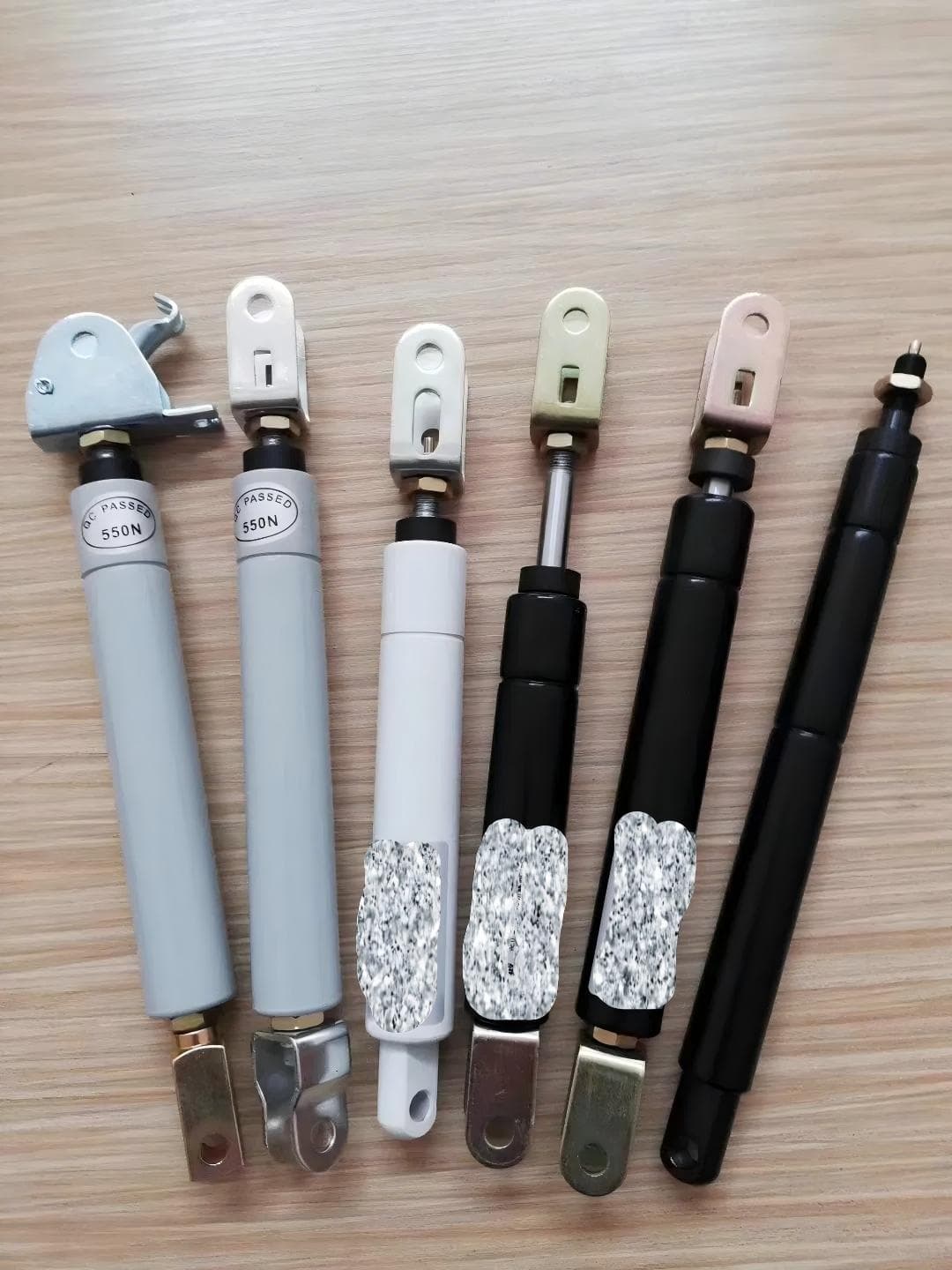
What is a Gas Spring and How Does It Work?
What is a Gas Spring and How Does It Work?
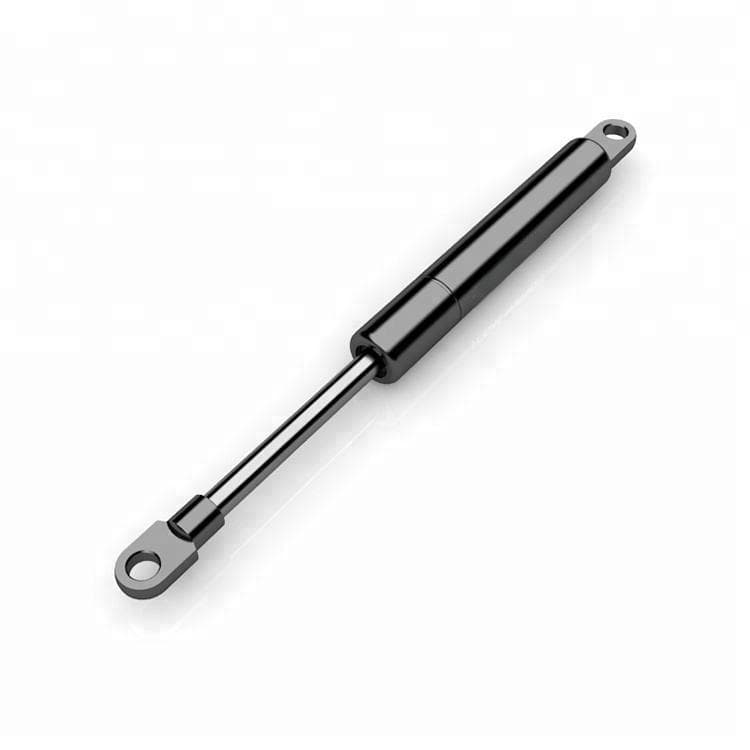 If you've ever opened the trunk of your car, lifted a heavy machinery cover, or adjusted an office chair, you've likely used a gas spring. These components, also known as gas struts, gas shocks, or gas dampers, are essential for providing controlled motion and support. But how exactly do they work, and what makes them superior to traditional mechanical springs?
In this guide, we'll break down the inner workings of a gas spring, its key components, and why it's the preferred choice for engineers and designers worldwide.
The Core Concept: Nitrogen Gas and Oil
At its simplest, a gas spring is a sealed energy storage device. Unlike a coil spring that relies on the elastic deformation of metal, a gas spring uses compressed gas to generate force.
A gas spring consists of a precision tube (cylinder) and a piston rod that moves in and out of the tube. The cylinder is filled with:
- Nitrogen Gas (N₂): Pressurized nitrogen provides the spring force. Nitrogen is used because it is inert and does not react with the internal components or oil.
- Oil: A small amount of oil is added for lubrication and, crucially, for damping (controlling the speed of movement).
How It Generates Force (F1)
When the piston rod is pushed into the cylinder (compressed), it reduces the available volume for the nitrogen gas. According to gas laws, as volume decreases, pressure increases.
However, the force doesn't just come from compressing the gas like a balloon. The force is generated by the internal pressure acting on the cross-sectional area of the piston rod.
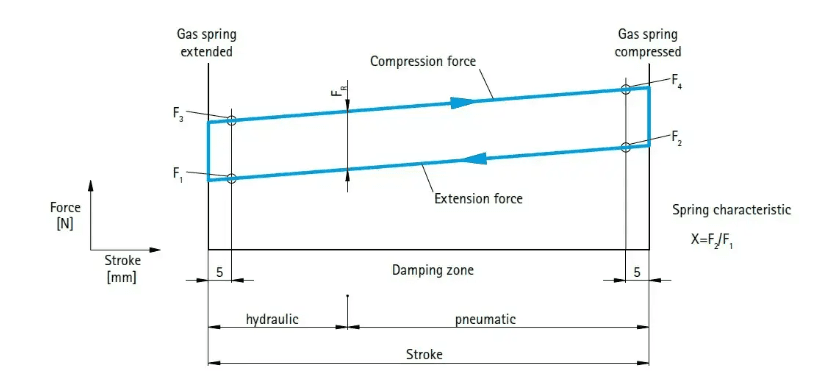
The formula for the extension force () is roughly: Where:
- = Internal Pressure
- = Cross-sectional area of the piston rod
This is why a thicker piston rod (for the same cylinder pressure) will generally produce a higher force.
Inside the Cylinder: Key Components
To understand how a gas spring delivers smooth, controlled motion, let's look inside:
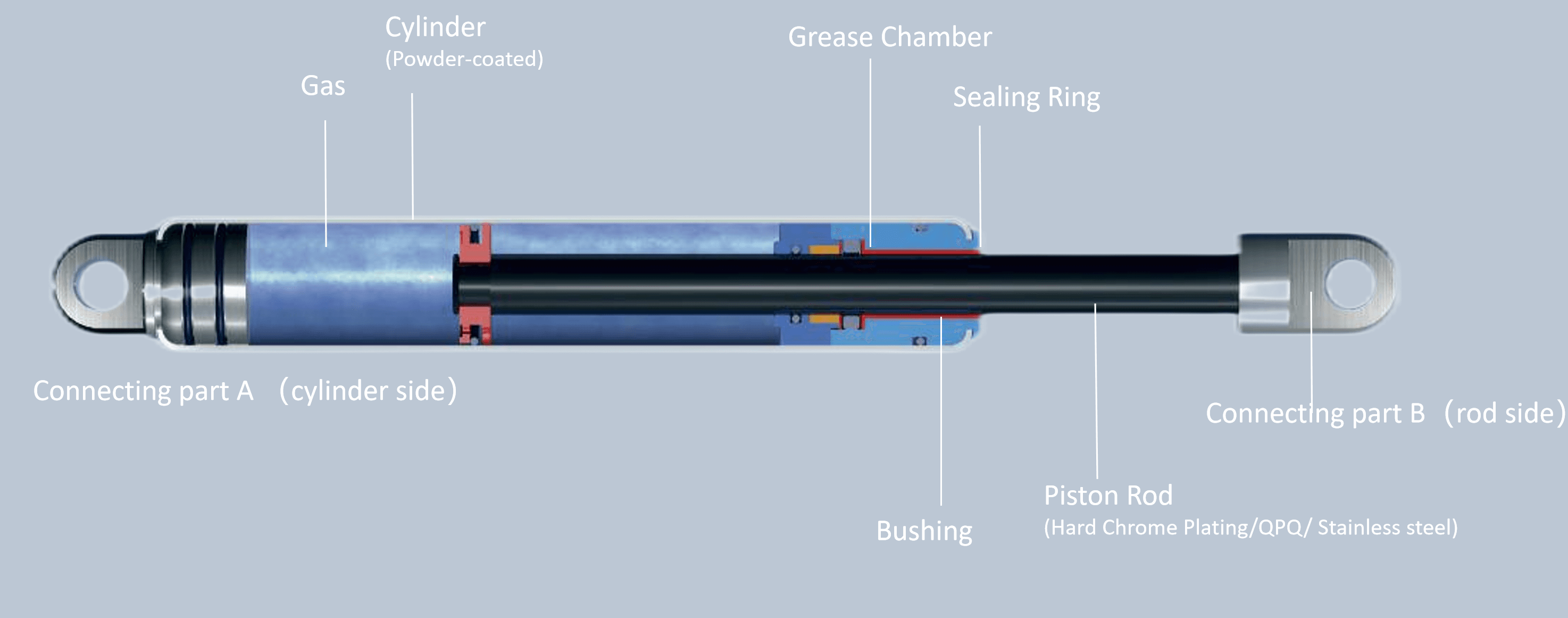
- Pressure Tube (Cylinder): The outer body, typically made of coated steel or stainless steel (SS304/SS316 for marine applications), which holds the high-pressure gas.
- Piston Rod: The moving part that connects to the load. It must have a perfectly smooth surface (often QPQ nitrided or chrome-plated) to prevent gas leakage.
- Piston Package: Attached to the end of the rod inside the tube. It prevents the rod from shooting out and often contains small channels or valves to control the flow of gas and oil, thereby controlling the speed.
- Seals and Guides: High-quality seals are critical to keep the gas inside for the product's lifetime (often 50,000+ cycles).
Damping: The "Soft Stop" Effect
Have you noticed how a car tailgate opens quickly at first but slows down gently before it fully stops? That's hydraulic damping.
 Inside the gas spring, the oil is usually positioned at the bottom (when the rod is facing down). As the piston reaches the end of its stroke, it passes through this oil. The resistance of the oil is much higher than that of the gas, creating a braking effect that prevents the lid from slamming open and damaging the hinges.
Pro Tip: This is why you should almost always install gas springs with the rod facing down in its resting position. This keeps the oil on the seal (keeping it lubricated) and ensures the damping happens at the end of the extension stroke.
Gas Springs vs. Mechanical Springs
Why choose a gas spring over a traditional metal coil spring?
| Feature | Gas Spring | Mechanical Coil Spring |
|---|---|---|
| Force Profile | Flatter force curve (force increases less as it compresses) | Linear force increase (force rises sharply as compressed) |
| Speed Control | Controlled extension speed (damping) | Uncontrolled, often snaps back quickly |
| Appearance | Clean, compact, aesthetic | Bulky, can buckle or look messy |
| Adjustability | Force can be adjusted by releasing gas (on valve models) | Fixed force once manufactured |
| Maintenance | Sealed unit, no maintenance required | May require greasing |
Summary
A gas spring is a sophisticated hydropneumatic device that uses compressed nitrogen to lift loads and oil to control the speed. Whether you are designing a medical device, a food truck window, or an industrial machine guard, understanding these basics ensures you select the right component for a safe and premium user experience.
Need help calculating the right force for your project? Check out our Gas Spring Calculator or contact our engineering team at DK Gas Spring for a custom recommendation.
Next Week: We'll dive into the difference between Compression and Traction gas springs – and why you might be using the wrong one for your drop-down door.