
Gas Spring with Fast Extension and End-of-Stroke Damping
Gas Spring with Fast Extension and End-of-Stroke Damping
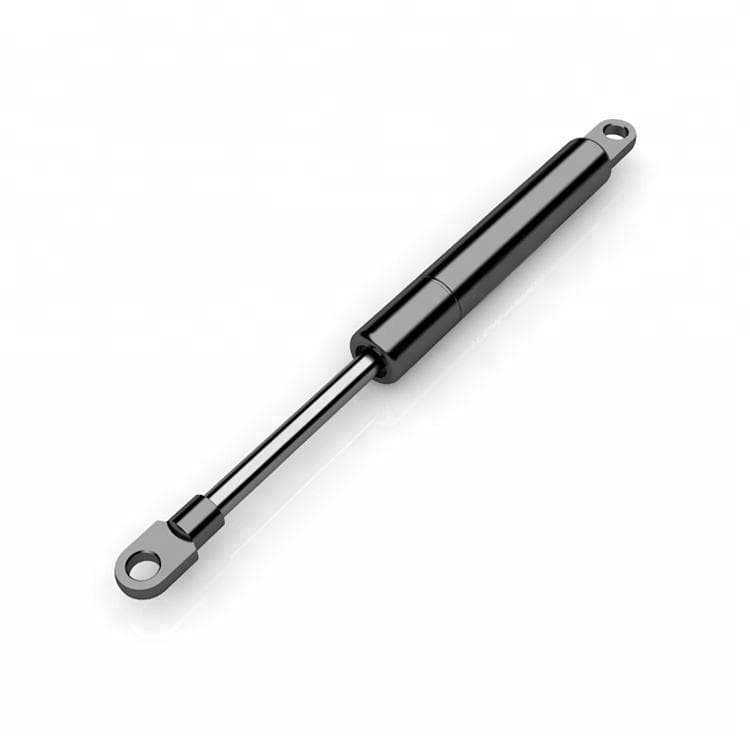
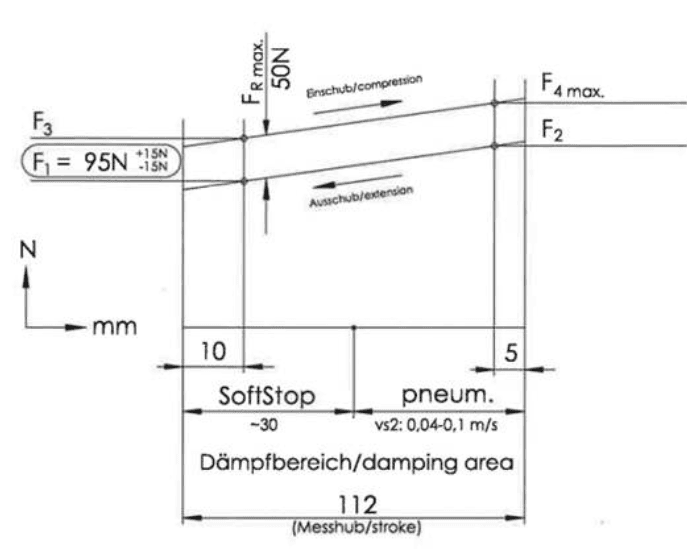
A gas spring can be engineered to extend quickly—for example, the rod extension time is within 0.4 seconds (under no-load conditions) through most of its stroke—then slow down only in the final 5–30% of travel. This motion profile helps reduce impact, noise, and wear while keeping the movement smooth and efficient.
This design preserves fast motion during the main stroke and adds controlled resistance only near the end. That makes it a practical solution for applications that need both speed and soft final positioning.
Why This Design Matters
In many mechanisms, a standard gas spring that slows the entire stroke is not ideal. Users often want the component to move freely at first, then land gently at full extension. When dealing with worn-out components that lack this dual-stage behavior, engineers must identify the correct replacement to avoid slamming. Understanding How to Replace and Choose the right damped spring ensures safety and restores factory performance without guesswork.
End-of-stroke damping helps achieve that balance. It improves comfort, protects connected parts, and reduces harsh contact at the final position.
How It Works
This type of gas spring combines extension force with a damping zone near the end of travel. By adjusting internal oil volume, flow control, and structural design, the spring can move quickly during the main stroke and slow down only at the end.
The result is a motion profile that feels natural, controlled, and reliable.
Key Selection Factors
When selecting the right gas spring, the most important factors are:
- Stroke length
- Force value
- Compressed and extended length
- Mounting orientation
- End fitting type
- Required motion speed
- Damping requirement
These details help determine whether a standard gas spring is sufficient or whether a custom solution is the better choice.
Information Needed for Selection
To recommend the most suitable option, it is helpful to know:
- Load weight
- Available installation space
- Required stroke
- Mounting method
- Operating temperature
- Final motion requirement
With this information, the gas spring can be matched more accurately to the application and motion profile.
Custom Gas Spring Solutions
DKGASSPRING provides custom gas spring solutions for applications that require fast extension and controlled end-of-stroke damping. If your project needs a specific motion behavior, the design can be adjusted to fit your performance and installation requirements. By carefully tuning the internal oil volume, we provide industrial compression gas springs that deliver precise kinematic control for demanding mechanical setups.
🛠️ Ready to Optimize Your Mechanical Design?
If you are engineering a project that demands both speed and safety, or seeking a reliable OEM partner, explore our solutions:
- Replacement Guide: Unsure how to calculate force limits? Read our guide on How to Replace and Choose to avoid dangerous thrust errors.
- Component Catalog: Browse the dimensions of our industrial compression gas springs configured for dynamic damping.
- Vehicle Lift Supports: For high-cycle automotive and aftermarket projects, explore our heavy-duty Automotive Lift Supports.